
-
Products
- Comprehensive Health Insurance
- My Family Complete
- My Health Companion
- My Swasthya Care
- Individual Health Insurance
- Family Health Insurance
- My Health Care Plan
- Health Guard
- Global Health Care - International Health Insurance
- Silver Health for Senior Citizens
- Arogya Sanjeevani Policy
- Non Medical Expense Rider
- Health Prime Rider
- Respect Rider
- Aapke Liye
- MHCP EDGE+
-
Renew
-
Claim
-
Support
-
Become an Agent
- Home
- Blog
- MSME Insurance Articles
- Doctrine of Subrogation in Fire Insurance – Everything You Need to Know
Doctrine of Subrogation in Fire Insurance – Everything You Need to Know
MSME Blog
21 Nov 2025

Bajaj General Insurance

108 Viewed
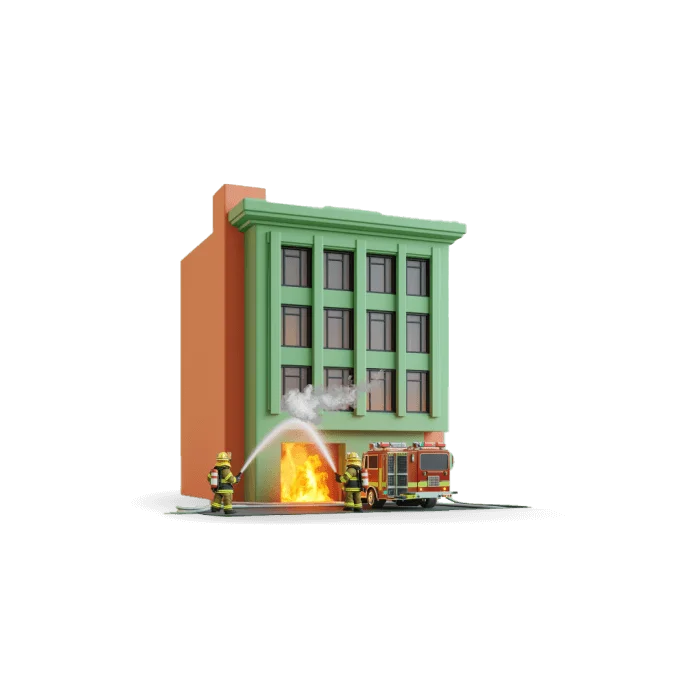
Did you know that in large industrial fire claims, insurers use subrogation to recover massive amounts from negligent contractors, equipment suppliers, or utility companies responsible for the fire? For instance, after a factory fire, an insurer may recover losses from the electrical contractor whose faulty wiring caused the blaze.
So, what is the doctrine of subrogation in fire insurance? As a policyholder, you should be aware of how recoveries and reimbursements work behind the scenes. This article by Bajaj General Insurance will help you understand this doctrine in detail.
What is the Doctrine of Subrogation in Fire Insurance?
Suppose there is a fire that causes financial loss to a policyholder. He immediately files for a claim with the insurance company and the company promptly pays the insured. The Doctrine of Subrogation in Fire Insurance states that when an insurance company pays the policyholder a compensation amount for the loss that he has suffered due to the occurrence of fire, the insurer has the right to step into the shoes of the insured once the claim is settled.
That means after compensating the insured, the insurance company can now claim money from the party which is responsible for causing the fire and has a right to get the amount. Imagine the faulty work of a contractor or the defective product of a manufacturer leads to the occurrence of fire and destroys the policyholder’s assets. In such cases, the insurance company pays the policyholder and asks the negligent party to pay them back. It also prevents the insured from getting the amount twice (once from the insurer and again from the responsible party).
Why is Subrogation Important in Fire Insurance?
The doctrine of subrogation is important in fire insurance due to the following reasons:
Protects Policyholders Against Losses
The insurance companies quickly pay the policyholder for the damage, so that the person can repair or rebuild the asset without waiting for a lengthy investigation or legal process. The insurance company helps you recover first and then does the hard work of chasing the person or company that caused the fire, using your legal rights.
Prevents Policyholders From Gaining Twice
The doctrine of subrogation prevents policyholders from getting paid twice. The insured cannot claim the amount from the insurer as well as the responsible party. Thus the insurer puts the insured back in the same position as they were before the loss, and they do not gain due to the unfortunate event of fire.
Helps Insurers Recover Losses
The doctrine ensures that those responsible for the fire are made to pay for the loss that has been suffered by the insured. It helps insurers to recover the amount so that their losses are reduced and insurance companies do not have to pass the loss to all policyholders. It thus keeps insurance premiums from rising.
Promotes Responsibility
Contractors and manufacturers are more careful and follow safety standards as they will be held responsible for any loss due to their negligence.
Maintains Fairness
The importance of subrogation lies in the fact that the real culprit pays for their actions, and not the innocent insurer or insured. It helps in making the system fair for all those involved.
Conditions for Subrogation to Apply
For the doctrine of subrogation to apply in fire insurance, certain conditions must be met.
The Claim Must Be Paid First
The doctrine of subrogation cannot happen before the insurance company pays the insured. So, the claim amount needs to be paid first to the policyholder and only then can the insurance company step into the shoes of the insured.
The Loss Must Be Caused by a Third Party
A third party must be responsible for the loss. For example, an electrician or contractor was careless when at work or the manufacturer has provided a faulty product. If the fire was caused due to accidental reasons, and there is no one to blame, subrogation cannot take place.
The Insured Must Not Have Waived the Right
The policyholder must not have signed any agreement that gives up the right of subrogation. For example, in some rental or construction contracts, a "waiver of subrogation" clause may stop the insurer from suing the other party even if they were responsible for the occurrence of fire.
The Insured Must Cooperate
The policyholder must help the insurer and provide documents, witness details, or even appear in court if required. The insured must not act in a way that may lead to hiding of information and create obstacles for the insurer to recover the money.
Only the Amount Paid Can Be Recovered
The insurance company can only recover that amount from the responsible party which it has paid to the insured. So if the policyholder was paid ₹5 lakh for damages, the insurer can claim only ₹5 lakh. The doctrine keeps the system balanced and prevents any party from making unfair profits.
Conclusion
As a policyholder, you need to be aware of this doctrine in fire insurance. Before signing contracts with vendors or tenants, you should understand if the waiver of subrogation clause has been included. Also, as a responsible policyholder, provide your insurer with complete information to build a strong case for recovery. If the third party requests you to settle the compensation privately, involve your insurer, as private settlements can breach policy terms.
For more details on various policies to safeguard your house, building, and equipment, visit Bajaj General Insurance today.
FAQs
1. Can subrogation happen before the insurer pays the claim?
No, subrogation applies only after the insurer has settled your claim.
2. When does subrogation not apply?
Subrogation does not apply if no third party caused the fire and there was a natural cause.
3. What is a waiver of subrogation clause?
It’s a clause in some contracts like leases or vendor agreements that prevents the insurer from suing another party, even if they caused the loss.
4. How does subrogation benefit policyholders?
Subrogation helps policyholders to receive your claim amount without delay. The insurer then takes care of the legal process to recover the money from the negligent party.
5. What should I do if a third party offers to settle privately after a fire?
Private settlements can violate your policy terms and affect your claim rights, so inform your insurer regarding private settlements.
*Standard T&C apply
**Insurance is the subject matter of solicitation. For more details on benefits, exclusions, limitations, terms, and conditions, please read the sales brochure/policy wording carefully before concluding a sale.
***Disclaimer: The content on this page is generic and shared only for informational and explanatory purposes. It is based on several secondary sources on the internet and is subject to changes. Please consult an expert before making any related decisions.
Related Blogs
Safeguard Your Business with Electronic Equipment Insurance
What Does Employers' Liability Insurance Cover? | Bajaj General
Engineering Insurance: Types, Coverage & Importance
Protected Events in Bharat Sookshma Udyam Policy |Bajaj General
Go Digital
Download Bajaj General App!


Explore More MSME Articles


With GST waiver, individual and family floater policies for health, personal accident, and travel insurance (on retail basis) are 18% cheaper from 22 September 2025. Secure what matters at an affordable price!
