
-
Products
- Comprehensive Health Insurance
- My Family Complete
- My Health Companion
- My Swasthya Care
- Individual Health Insurance
- Family Health Insurance
- My Health Care Plan
- Health Guard
- Global Health Care - International Health Insurance
- Silver Health for Senior Citizens
- Arogya Sanjeevani Policy
- Non Medical Expense Rider
- Health Prime Rider
- Respect Rider
- Aapke Liye
- MHCP EDGE+
-
Renew
-
Claim
-
Support
-
Become an Agent
- Home
- Blog
- Cyber Insurance Articles
- Rising Cyber Frauds in India: Why Cyber Insurance Is Becoming Essential for Individuals
Rising Cyber Frauds in India: Why Cyber Insurance Is Becoming Essential for Individuals
Cyber Blog
19 Nov 2025

Bajaj General Insurance

70 Viewed
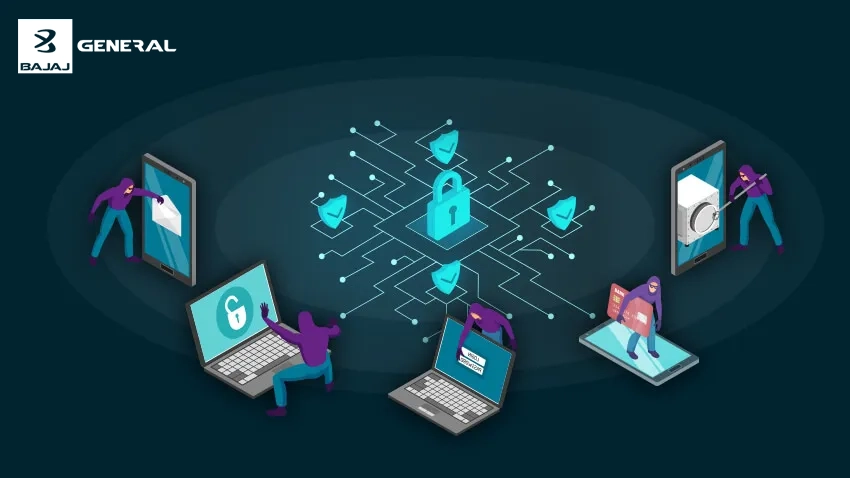
Imagine waking up to a message that ₹50,000 has been debited from your account for a transaction you never made! This is a reality for thousands of Indians daily. Cyber fraud in India is not just a headline, but a terrifying reality that thousands of people live through.
Therefore, just like our homes and cars, it is also crucial to secure our digital lives with cyber insurance. It is a necessary shield that protects your hard-earned money from cyber theft and also safeguards you in cases of cybercrimes.
What are the Latest Cyber Fraud Cases in India?
Cyber fraud in India has been increasing rapidly. From simple OTP thefts, scammers have now moved on to psychological manipulations to strike fear into the hearts of innocent citizens. That is why awareness about the different types of cyber frauds and scams is necessary.
Digital Arrest Scam
Digital arrest is currently one of the most menacing forms of cyber fraud in India. In a digital scam, fraudsters impersonate law enforcement officials from agencies such as the CBI, ED, or Narcotics Bureau.
They contact you via video calls (often on WhatsApp or Skype), wearing uniforms and sitting against fake police station backdrops.
1. Scammer’s Claim: They claim your Aadhaar or bank account is linked to illegal activities.
2. What Happens: You are then kept under digital custody. It means they force victims to stay on video call for hours or days.
3. Consequence: Lastly, scammers coerce you to transfer money to a ‘safe government account’ for verification.
Phishing Scams
Phishing is one of the most popular and effective methods of cyber fraud in India. Scammers send you text messages or emails that look exactly like those from your bank, Income Tax Department, or even popular e-commerce sites that you often use.
1. Scammer’s Claim: They send malicious links disguised as real links, such as updating your KYC or claiming a refund. These links are actually carriers of malware that is designed to break into your phone.
2. What Happens: Victims click on the link, thinking it is real. Scammers then steal your login information and credentials and access your personal account and data.
3. Consequence: Once you click on the link, malware installs on your device, which steals your money.
Insurance Cyber Fraud
Nowadays, since people are more aware of insurance, fraudsters have come up with new methods to scam them. They call up the victim and promise huge bonuses on existing life insurance policies or claim that a policy has lapsed and needs to be renewed.
1. Scammer’s Claim: Scammers may call victims pretending to sell insurance policies with great benefits, which are actually fake. For example, in some reported cases in Delhi and Mumbai, scammers sold fake policies to insure the dead or terminally ill to claim benefits later.
2. What Happens: Scammers fake big insurance companies and sell you insurance plans. They then ask you to send money, often via unauthorised gateways.
3. Consequences: You buy the insurance plan, thinking that your health is now secure. You pay the premiums, but when you go to claim, you are met with nothing but a blank wall.
This type of cyber fraud in India preys on your trust in financial institutions.
What is the Role of Cyber Insurance in Preventing Cyber Fraud in India?
Cyber insurance is gaining popularity as more and more people are choosing to safeguard their digital life against fraud. But can cyber insurance actually stop cybercrime? Technically, no. No insurance policy can prevent a hacker from targeting you.
However, cyber insurance for individuals plays a critical role in preventing the financial devastation that follows. It not only covers your losses from cyber fraud, but also bears legal expenses in situations that require you to take legal action.
Bajaj General Insurance offers cyber insurance policies that cover your financial losses if you fall victim to cyber fraud in India. It prevents your savings from being wiped out by a single mistake or a sophisticated hack.
What are the Inclusions and Exclusions of Cyber Insurance?
Understanding your policy is vital to ensuring you are truly protected against cyber fraud in India.
Inclusions | Exclusions |
Digital theft of funds | Dishonest or improper conduct |
Cyber extortion | Property damage |
Cyber bullying | Bodily injury |
Cyber stalking | Unsolicited communication |
Social media liability | Trade secrets |
Identity theft | Intellectual property |
Privacy breach | Cyber terrorism |
Phishing cover | War |
Malware cover | Governmental acts and trading |
Note: Before investing in any cyber insurance, make sure to read the policy documents.
How Can You Prevent Cyber Scams?
While insurance covers the damage, prevention is always better than a cure. Here is how you can build your own firewall against cyber fraud in India:
1. Stop and Verify: Fraudsters often scare their victims with panic-inducing calls about an arrest or a blocked card. If you receive such a call, disconnect it immediately. Then, call the official helpline of the agency or bank directly and verify all the details.
2. Enable 2FA: Two-Factor Authentication is an added security step for your digital activities like email, net banking, and social media. Always keep it turned on to make hacking your account difficult for scammers.
3. Never Share OTPs: No bank official or police officer will ever ask for your OTP or PIN. Therefore, if you receive any calls regarding the same, never share it.
4. Check URLs: Hover over suspicious links before clicking. Look for https and correct spellings in the domain name. If anything looks out of place, don’t click on it.
5. Invest in Protection: Use legitimate antivirus software to protect your device from unsolicited or unauthorised external activity. You can also consider digital fraud protection plans that offer real-time monitoring.
Though you may pull out all the stops to keep your digital life secure, it is not guaranteed that hackers will not scam you. Therefore, to avail the best security, check out Individual Cyber Insurance from Bajaj General Insurance. It will ensure that your hard-earned money is not lost to an unfortunate cyber attack.
Plus, if you face such attacks, you can get cyber security assistance from the helpline 1930, according to PIB.
Bottom Line
Cyber fraud in India is increasing day by day. With almost every operation becoming digital, hackers are constantly coming up with new methods to access your personal accounts and steal your data and your money. It is important to stay vigilant and secure your finances with a robust cyber insurance policy, so that you can navigate the digital world with confidence.
FAQs
Which city is famous for cybercrime in India?
Jamtara is a major hub of cybercrime in India. Apart from that, Bharatpur and Nuh (Mewar region) are also major emerging centres. Additionally, metropolitan cities like Mumbai are seeing a massive increase in cyber fraud, with over 20,000 cases reported in the last 5 years.
What is the punishment for cyber fraud in India?
Under the Information Technology Act (Sections 66C, 66D) and the new Bharatiya Nyaya Sanhita (BNS), punishment can include imprisonment up to 3 years and heavy fines. Severe offences involving critical infrastructure or terrorism can attract life imprisonment.
Should I buy cyber insurance in India?
Yes, you should buy cyber insurance in India. Cyber fraud in India increased by over 200% in 2024. Therefore, better awareness and enhanced security measures have become essential. Cyber insurance offers an affordable way to protect your savings from unauthorised transactions, identity theft, and online extortion.
Does cyber insurance cover cyber fraud?
Yes, cyber insurance for individuals provides coverage for financial losses resulting from cyber fraud like unauthorised transactions, phishing, email spoofing, and identity theft. However, make sure to read the policy terms and conditions to understand the inclusions, exclusions, and specific details regarding negligence.
Which insurer provides the best cyber insurance in India?
Bajaj General Insurance is a top choice for cyber insurance in India. It offers comprehensive coverage that includes protection against identity theft, cyberstalking, and financial loss from phishing. The policies cater to the modern risks of cyber fraud in India with robust support mechanisms.
Disclaimer: The content on this page is generic and shared only for informational and explanatory purposes. It is based on several secondary sources on the internet and is subject to changes. Please consult an expert before making any related decisions.
Insurance is the subject matter of solicitation. For more details on benefits, exclusions, limitations, terms, and conditions, please read the sales brochure/policy wording carefully before concluding a sale.
Go Digital
DownloadBajaj General App!


Explore More Cyber Articles


With GST waiver, individual and family floater policies for health, personal accident, and travel insurance (on retail basis) are 18% cheaper from 22 September 2025. Secure what matters at an affordable price!
